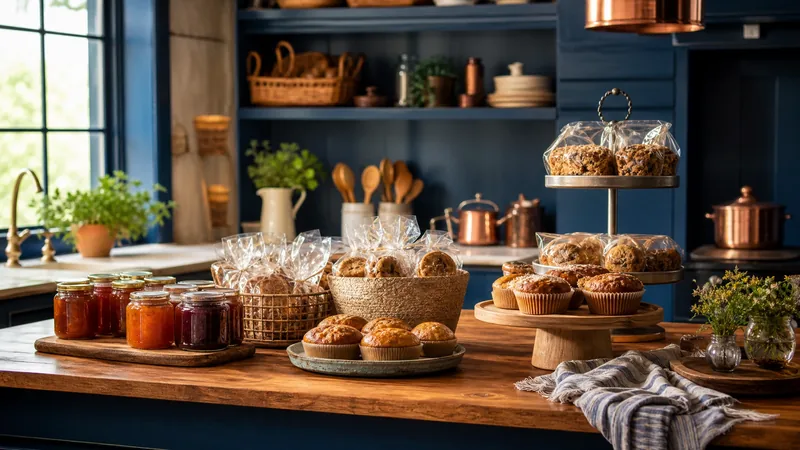
How to Start a Cottage Food Business in Washington: WSDA Permit $355, $35,000 Cap and 50 Products
How to Start a Cottage Food Business in Washington: WSDA Permit $355, $35,000 Cap and 50 Products
If you bake bread, make jam, or blend spice mixes in your home kitchen and want to sell them to customers in Washington, you need a cottage food permit from the Washington State Department of Agriculture (WSDA). Many people search for a washington cottage food license, but the document is technically a permit, and it is not an exemption. You cannot make a sale until the permit has been issued. This guide covers what to gather, the steps in order, the mistakes that trip people up, and what to expect once you are operating.
This article is informational content, not legal or tax advice. Rules and fee amounts change, so confirm current figures on the agency pages linked below. If your situation is complicated, such as a business partner, plans to grow past the cap, or an existing LLC, talk with a qualified attorney or CPA.
Know the Cottage Food Rules Before You Apply
Washington's cottage food rules set firm limits. Read them before you pay for anything, because a product or sales channel outside the rules can sink the whole plan.
- Kitchen: Production must take place in your primary residence kitchen. A rented commercial kitchen or shared commissary does not fit this model.
- Products: You may make up to 50 master products. Allowed categories include baked goods, candy, jams, preserves, and dry spice and tea blends.
- Excluded foods: Refrigerated time and temperature control for safety (TCS) foods are not allowed (WAC 16-149-120). Cream-filled and cheesecake recipes are common examples of items that typically need refrigeration, so check every recipe.
- Sales volume: Gross sales are capped at $35,000 per year. The Legislature raised the cap from $25,000 in 2023 (2023 c 352).
- Sales channel: Sales must go directly to the consumer. Wholesale, shipping, mail order, and internet sales are not allowed, and you cannot sell outside Washington (RCW 69.22.020, WAC 16-149).
If you want to supply a coffee shop, ship nationwide, or grow past $35,000, the cottage food permit is the wrong tool. You would need a WSDA food processor license instead.
Materials and Information You Need
Gather these items before you start. Having them ready keeps the timeline from slipping.
- The WSDA cottage food application and the $355 fee. The application fee is nonrefundable once WSDA receives it.
- A master product list. List every product with its full ingredients and whether it needs refrigeration. Keep the count at 50 or fewer.
- Food worker cards. Everyone who prepares food for the business needs one, not only the owner. Confirm the course and fee with the Washington State Department of Health.
- Business license information. Have your legal name, any trade name you plan to use, and your home address ready for the Department of Revenue application.
- A clean, organized kitchen. You will need to pass a basic hygiene inspection, so plan for food-safe work surfaces, a handwashing sink, and sealed storage for ingredients and packaging.
- A simple sales log. A monthly spreadsheet of gross sales is the easiest way to prove you stayed under $35,000. This is a recommendation, not a statutory requirement.
- Labels and packaging. Confirm labeling requirements with WSDA before you print anything.
Step 1: Confirm Your Products and Sales Model Fit
Start with your recipe list, not the paperwork. Sort every product into one of two piles: shelf-stable items that fit the allowed categories, and anything that needs refrigeration to stay safe. Drop or reformulate the second pile. Then picture how you will sell each item. Farmers markets, craft fairs, and pickup orders from your home fit the direct-to-consumer model. Delivery to a restaurant, an online store, or an out-of-state customer does not.
Step 2: Get Your Food Worker Cards
Anyone who prepares food for your cottage business needs a food worker card. Get yours before you start producing items for sale, and keep copies for every helper. The card is a separate requirement from the WSDA permit, and having it ready also makes your inspection go more smoothly. Confirm the current training options and fee with the Department of Health.
Step 3: Register Your Business With the Department of Revenue
Washington has a statewide business license. The Department of Revenue's Business Licensing Service (BLS) issues the 9-digit Unified Business Identifier (UBI) and handles trade names and state and city endorsements in one application. A business license is required for cottage food operations, so this step is not optional.
Because a sole proprietor does not file with the Secretary of State, your state registration runs entirely through the Department of Revenue. Use the Business License Application on the Department of Revenue website. Expect these timelines:
- The processing fee is $50 to open a business. It is $10 when the filing is for another purpose, such as adding a trade name to an existing business. Confirm which fee applies to your filing with the Department of Revenue.
- Online applications take about 10 business days. Add 2 to 3 weeks if city or state endorsements need approval.
- Mailed applications can take up to six weeks.
If you will sell under a name other than your full legal name, you must register that trade name too. Each trade name costs $5, and the trade name registration is also filed through BLS, not the Secretary of State or your county.
Plan for taxes at this stage. Washington has no personal income tax on wages. Instead, most businesses pay the state business and occupation (B&O) tax, a gross receipts tax with no deduction for labor, materials, or other costs. Sales tax applies to taxable sales at the 6.5 percent state rate, and local rates can differ. About 54 cities also levy their own B&O tax, which the Department of Revenue does not administer. Ask the Department of Revenue which classification fits your sales and check your city's rules.
Step 4: Check Your City and County Rules
Washington has 39 counties and 281 incorporated cities and towns, and local rules vary. A home food business can run into zoning limits, local business licensing, or health district requirements, even when the state rules are satisfied. Call your city or county planning and licensing office and ask whether a home food business is permitted at your address. Do this before you apply, because a local problem discovered after your permit is issued is harder to fix.
Step 5: Submit the WSDA Cottage Food Application
Apply through WSDA's cottage food program at agr.wa.gov/cottagefood. The application fee is $355, and it is nonrefundable once WSDA receives it, so double-check your product list and contact details before you submit.
The statute also lists a $75 public health review fee, a $30 processing fee, and an inspection fee. RCW 69.22.040 sets the inspection fee at $125 for an initial or annual basic hygiene inspection, with an additional fee for each compliance visit. WSDA publishes $355 as the permit fee, so ask WSDA how these charges relate to that total so you do not get surprised by a second bill.
Step 6: Pass the Basic Hygiene Inspection
A basic hygiene inspection happens before your permit is issued, and the statute requires an inspection every year after that (RCW 69.22.040). The inspector will look at whether your home kitchen is set up for safe food production. Good preparation includes:
- Clean, food-safe counters and equipment, with a clear separation between food and cleaning supplies
- A handwashing sink that is accessible during production
- Sealed, labeled storage for ingredients and finished goods
- Pets and household activity kept out of the production area while you work
Walk through your kitchen with a critical eye a few days before the visit. Fix anything that would make you hesitate if a stranger were standing next to you.
Step 7: Receive Your Permit and Start Selling
WSDA typically takes about 6 to 8 weeks to issue the permit, and the permit is valid for two years. You must have it in hand before any sale. A sale that happens before issuance is a violation, even if you only sold one batch to a friend. Mark your calendar for the renewal date the day the permit arrives.
Once you have the permit and your business license, you can sell directly to customers within the rules. Keep your sales log current, and keep every product within its allowed category and channel.
Step 8: Stay Compliant Year to Year
Your work does not end at issuance. Several recurring obligations apply:
- Annual inspection: Expect a hygiene inspection every year, not just at the start.
- Renewal: Renew before the two-year permit expires. Renewal is the cheapest time to make routine updates.
- Amendments: Changes made outside the renewal cycle carry a $105 amendment fee under the statute. Confirm current amounts with WSDA before you change a product list or address.
- Taxes: Keep up with your Department of Revenue filings and any city B&O obligations.
- Gross sales tracking: Check your year-to-date total against the $35,000 cap every month, not once a year.
Key Figures at a Glance
| Item | Figure | Where to Confirm |
|---|---|---|
| WSDA cottage food application fee | $355, nonrefundable once received | agr.wa.gov/cottagefood |
| Statute-listed public health review fee | $75 | agr.wa.gov/cottagefood |
| Statute-listed processing fee | $30 | agr.wa.gov/cottagefood |
| Inspection fee (statute) | $125 per basic hygiene inspection | agr.wa.gov/cottagefood |
| Amendment outside renewal | $105 | agr.wa.gov/cottagefood |
| Permit validity | Two years | agr.wa.gov/cottagefood |
| Permit issuance time | About 6 to 8 weeks | agr.wa.gov/cottagefood |
| Master products | Up to 50 | RCW 69.22, WAC 16-149 |
| Annual gross sales cap | $35,000 | 2023 c 352 |
| Business license processing fee (open a business) | $50 | Department of Revenue |
| Trade name registration | $5 per trade name | Department of Revenue |
Common Mistakes to Avoid
- Treating the permit as optional. Cottage food is a WSDA permit, not an exemption. Selling before issuance puts the whole business at risk.
- Selling refrigerated items. Cream-filled pastries and cheesecakes are a common trap. If a product needs refrigeration to stay safe, it is excluded.
- Shipping or selling online. Mail order, internet sales, and out-of-state customers are outside the cottage food model.
- Selling wholesale. A coffee shop or grocery store that resells your product is wholesale, which is not allowed under this permit.
- Ignoring the $35,000 cap. Track sales monthly. Going over the cap means you need a different license.
- Skipping the trade name. If you sell as "Sunday Crumb Bakery" rather than your legal name, register that trade name with BLS.
- Forgetting helpers. Anyone who prepares food needs a food worker card, including family members who help with batches.
- Overlooking local rules. A permit from WSDA does not override city zoning or local B&O requirements.
- Assuming the permit is permanent. It is valid for two years, and the annual inspection continues the whole time.
Expected Results
Results vary widely, and nothing here is a promise of income. Many home bakers start by selling at local markets, to neighbors, or through pickup orders, and their sales may grow slowly over the first year. A permit can make it possible to sell legally, but it does not guarantee demand. Your results depend on your recipes, pricing, local competition, and how well you market. Plan for a modest first year, track your sales honestly, and treat the $35,000 cap as a real ceiling that shapes your growth plan.
The product claims you make also matter. Describe your food by its ingredients and flavor, and avoid health or treatment claims. Confirm labeling and advertising requirements with WSDA before you print materials.
When You Outgrow the Cottage Food Permit
If your sales are heading toward $35,000, or you want to sell to restaurants, retailers, or customers outside Washington, plan the switch early. You would need a WSDA food processor license, which involves a different facility standard than a home kitchen. Ask WSDA about the processor license path and budget for the added cost and time. If you also form an LLC or corporation, the Secretary of State handles those filings through the Corporations and Charities Filing System (CCFS), separate from your WSDA and Department of Revenue steps.
Get Help When You Need It
The Washington Small Business Development Center offers free advising that can help you test your business plan and check your numbers before you commit. For questions about your specific recipes, sales channels, or tax treatment, a qualified attorney or CPA can give advice tied to your facts. This article is informational content, not legal or tax advice.
Keep exploring: related Washington guides
- How to Start a Coffee Shop Business in Washington
- How to Start a Craft Brewery in Washington
- How to Start a Catering Business in Washington
- How to Start a Distillery in Washington
- Washington Liquor License Guide
- How to Start an LLC in Washington
- Washington Business License
- How Much Does It Cost to Start a Business in Washington
- All Washington business types
- Every Washington guide in one place