Washington Food Business Permits: Health District, WSDA and Cottage Food ($355 Permit, $35,000 Cap)
Washington Food Business Permits: Health District, WSDA and Cottage Food ($355 Permit, $35,000 Cap)
Starting a food business in Washington means dealing with more than one agency. There is no single food permit. Depending on what you make, where you make it, and who buys it, you may need a permit from the Washington State Department of Agriculture (WSDA), a permit from your local health jurisdiction, a state business license from the Department of Revenue, or some combination. This guide explains each path, what it costs, and where to confirm the details before you spend money.
This article is informational content, not legal or tax advice. Fees and rules change. Confirm current requirements with the agency named in each section, and consult a qualified attorney or CPA for anything complex, such as wholesale distribution, multiple locations, or hiring employees.
Sort Your Food Business Into the Right Program
Washington regulates food by activity, not just by product. A baker selling from a home kitchen falls under a different program than a cafe, a caterer, or a food truck. Most food businesses fit one of these four categories:
- Home-based sales: a WSDA cottage food permit, covered below.
- Restaurants and caterers: a permit from your local health jurisdiction under the state food code, WAC 246-215.
- Wholesale food processing: a WSDA food processor license.
- Mobile food units: a local health jurisdiction permit, usually tied to a commissary.
Washington has 39 counties and 281 incorporated cities and towns, and its 35 local health jurisdictions handle food service permits. Your jurisdiction is set by where your business operates, so look up your county health office before you sign a lease or buy equipment. The state business license applies on top of any food permit, so plan for both.
Cottage Food: A WSDA Permit, Not an Exemption
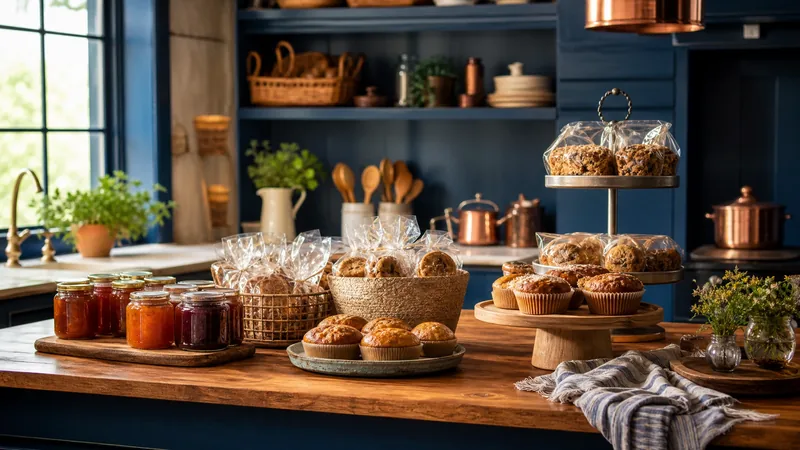
People searching for washington cottage food law often assume home bakers are exempt from licensing. They are not. Washington requires a WSDA cottage food permit. It costs $355 and covers two years. Under WAC 16-149-060, the core terms are:
- Annual sales capped at $35,000.
- Up to 50 master products.
- Direct sales to consumers only.
- Food made in your primary residence.
Read those limits as a package. The direct-to-consumer rule means you cannot sell to a coffee shop, grocery store, or distributor for resale. The residence rule means production happens in your home, not in a rented commercial space. The $35,000 cap is a sales ceiling, so track gross sales monthly. When you approach it, plan the move to a commercial kitchen and a different permit before you exceed the limit.
A master product is a product you list on your application. Before you launch, confirm with WSDA how the product list works, whether you can add products later, and which foods qualify. Labeling rules also apply, so check the WSDA cottage food page at agr.wa.gov/cottagefood before you print labels.
Restaurants and Caterers: Health District Permits
Food service permits come from local health jurisdictions, which apply the state food code in WAC 246-215. There is no statewide restaurant fee, so do not budget from a single number. Fees vary by county, by risk category, and by seating or complexity. These are examples as of 2026:
| Jurisdiction | Permit type | 2026 fee |
|---|---|---|
| King County | Risk 3 restaurant | $945 to $1,386, by number of seats |
| Pierce County | Restaurant | $1,080 to $1,500, by number of seats |
| Spokane Regional Health District | Basic | $290 |
| Spokane Regional Health District | Complex | $850 |
If you are opening in another county, pull that jurisdiction's current fee schedule. Caterers operate under the same health permit system, but how a catering operation is classified can vary. Ask your health jurisdiction which category fits your menu and kitchen setup before you apply.
WSDA Food Processor License
If you make food and sell it to other businesses, such as grocers or restaurants that resell it, you need a WSDA food processor license. The fee ranges from $92 to $862 per year, based on prior-year gross sales under RCW 69.07.040. For a new operator, the fee is based on estimated gross annual sales. Moving from cottage food to wholesale is a major step up in compliance, so budget for the license and for the facility requirements that come with it.
Mobile Food Units and the Commissary Question
Mobile food units cost roughly $240 (Pierce County, low risk) to $1,260 (King County, Risk 3) per year in 2026. Most units must operate from a commissary, a base facility for storage, preparation, and cleaning. A fully self-contained unit may qualify for a commissary exemption under RCW 43.20.148. Ask your local health jurisdiction what it requires for a self-contained unit, since the answer changes your daily logistics and total cost.
Food Worker Cards
A food worker card costs $10. Food workers in permitted operations generally need one, so budget for a card for every employee who handles food. Confirm with your local health jurisdiction which workers need a card and where to get it.
The State Business License and B&O Tax
Washington's general business license is issued by the Business Licensing Service (BLS), inside the Department of Revenue. One application covers the 9-digit Unified Business Identifier (UBI) number, trade names, and any state and city endorsements. You need a UBI if any of these apply:
- You need city, county, or state endorsements.
- You operate under a name other than your full legal name.
- You plan to hire employees within 90 days.
- You sell anything subject to sales tax.
- Your gross income is $12,000 per year or more.
- You owe any tax or fee to the Department of Revenue.
Most food businesses hit at least one of these triggers. Prepared food, soft drinks and bottled water are subject to retail sales tax at the 6.5% state rate plus any local rate, while most grocery food and food ingredients are exempt, so a food business selling prepared food to the public usually needs a UBI. Confirm the taxability of your specific products with the Department of Revenue. Corporations, LLCs, LLPs, and partnerships must file with the Secretary of State before they submit the BLS application.
The application fee is $50 to open a business. Online applications take about 10 business days, and 2 to 3 weeks longer if city or state endorsements need approval. Mailed applications can take up to six weeks. Apply at dor.wa.gov/open-business/apply-business-license.
If you run the business under a name other than your legal name, register a trade name through BLS. Each trade name costs $5, plus the non-refundable processing fee. The fee is $50 to open or reopen a business, or $10 when the filing is for another purpose, such as adding a trade name to an existing business. Trade names are not registered with the Secretary of State or the county.
Washington has no corporate or personal income tax. Its main business tax is the business and occupation (B&O) tax, a gross receipts tax with more than 50 activity classifications and no deduction for labor, materials, or other costs. About 54 cities add their own B&O tax, which the Department of Revenue does not administer. Check your city's rate and filing rules with the city, and confirm your classification with the Department of Revenue.
Forming an LLC First
If you form an LLC before applying for a license, the Certificate of Formation with Initial Report costs $180 and is filed through the Corporations and Charities Filing System (CCFS) at ccfs.sos.wa.gov. Every Washington LLC or corporation must designate a registered agent with a physical Washington street address. PO Boxes and private mailbox addresses are not accepted. The annual report costs $70 and is due by the last day of the month in which the LLC was formed, every year. A late filing carries a delinquency fee, for a total of $95. Sole proprietors and general partnerships do not file with the Secretary of State.
Costs at a Glance
| Permit or filing | Agency | Cost |
|---|---|---|
| Cottage food permit | WSDA | $355 for two years |
| Restaurant or caterer permit | Local health jurisdiction | Varies by county and seats; see examples above |
| Food processor license | WSDA | $92 to $862 per year |
| Mobile food unit | Local health jurisdiction | About $240 to $1,260 per year |
| Food worker card | Local health jurisdiction (confirm) | $10 |
| Business license (UBI) | Department of Revenue, BLS | $50 to open |
| Trade name | Department of Revenue, BLS | $5 per trade name |
| LLC Certificate of Formation | Secretary of State | $180 |
| LLC annual report | Secretary of State | $70 per year |
Recommended Order of Steps
- Choose the program that matches your activity: cottage food, restaurant or caterer, processor, or mobile unit.
- Form an LLC or corporation through CCFS if you want one. Sole proprietors skip this step.
- Contact your health jurisdiction or WSDA before you sign a lease or buy equipment, since approvals there can shape your build-out and timeline.
- Register with BLS for your UBI, endorsements, and any trade name.
- Calendar your renewals: the cottage food permit every two years, the LLC annual report every year, and health permits on the schedule your jurisdiction sets.
Where to Confirm Each Requirement
- WSDA cottage food program: agr.wa.gov/cottagefood
- Business licensing: dor.wa.gov/open-business/apply-business-license
- Trade names: dor.wa.gov/manage-business/grow-business/register-trade-names
- Secretary of State Corporations and Charities Division: sos.wa.gov/corporations-charities
- Business entity search: ccfs.sos.wa.gov business search
- Washington Small Business Development Center: wsbdc.org
A cottage food permit is the lowest-cost entry point for a home food business, but the $35,000 cap and the direct-sales rule are firm limits. Confirm your path with the right agency before you commit to a lease, equipment purchases, or wholesale accounts.